Five Digital Ghost Towns You Can Still Walk Through (For Now)
The internet has ghost towns too — servers still running, lobbies still open, user counts in the single digits. Grab a flashlight. Here's where to visit before the lights go out for good.
Category
30 articles
The internet has ghost towns too — servers still running, lobbies still open, user counts in the single digits. Grab a flashlight. Here's where to visit before the lights go out for good.

Somewhere in a basement in Ohio, a rack of obsolete phone equipment still holds decades of messages from strangers — birthdays, breakups, wrong numbers. A small network of collectors refuses to let the tape run out.
Some internet mysteries were designed to be solved. Some weren't. The communities chasing both have started to look identical — and the line between puzzle-solving and something stranger has never been thinner.
They stopped posting years ago, but the blogs are still there — perfect, frozen, full of a very specific kind of feeling. A new generation is treating them like ruins worth excavating.
Somewhere on Reddit right now, a moderator is approving a post that maybe three people will ever see. They've been doing it for years. They're not planning to stop.

When Yahoo pulled the plug on GeoCities in 2009, millions of personal homepages vanished overnight — the digital equivalent of burning down every small-town library at once. A loose network of obsessive collectors and volunteer archivists had other plans. Fifteen-plus years later, they're still cataloging the weird, the mundane, and the genuinely beautiful wreckage of the web's first golden age of self-expression.

Somewhere in the quieter corners of Discord, small groups of people are keeping vigil over dying websites — tracking domain expirations, documenting final server pings, and mourning digital spaces the rest of the world already forgot. It's part obsession, part archaeology, and part grief.

Somewhere in the static of the early internet, millions of conversations are quietly rotting away. A small, stubborn community of digital preservationists is racing to stop that from happening — and almost nobody outside their circles knows the fight is even happening.

A growing number of writers are ditching laptops and word processors for the mechanical clatter of typewriters — and they're not being nostalgic about it. For them, the switch is deliberate, almost defensive, a way to carve out creative space in a world that won't stop pinging. We looked into why the analog comeback is less about the past and more about surviving the present.

Somewhere between 3 and 6 MHz, a robotic voice reads a string of numbers into the ether — no greeting, no sign-off, no explanation. A dedicated community of shortwave listeners has built an entire subculture around capturing these transmissions, cataloging them, and asking questions that official sources refuse to answer.

Somewhere between archivism and obsession, a loose network of collectors is building massive libraries of screenshots from websites that no longer exist. They're not saving the sites themselves — just the images of what those sites looked like. And somehow, that might be enough.

Somewhere in your inbox, there's probably a newsletter you forgot you're still paying for. It hasn't sent anything in over a year, but the charge keeps clearing. You're not alone — and the reasons why run deeper than simple forgetfulness.

Somewhere on a server you've never heard of, a conversation about a 2003 video game patch is still technically open. Nobody's posting, nobody's watching—but people are absolutely reading. Dead forums have quietly become one of the internet's most fascinating unintentional archives.
Somewhere in America, a phone line is ringing into a machine that predates the web itself. A small, defiant community of sysops and callers keeps bulletin board systems breathing in 2024 — not out of nostalgia alone, but out of genuine conviction that something got lost when the internet swallowed everything.

Somewhere between a server shutdown and a forgotten password, thousands of fan-built wikis have quietly blinked out of existence—taking years of collective knowledge with them. A dedicated few are wading through cached pages and corrupted archives trying to bring them back. For some, it's become less of a hobby and more of a mission.

Somewhere out there, someone is paying $12 a month to keep an empty forum alive. Nobody posts. Nobody lurks. And they wouldn't have it any other way. We talked to the quiet custodians of the internet's most lovingly maintained ghost towns.

While most of the internet moved on, a stubborn pocket of fandom communities never logged off LiveJournal. They're not nostalgic cosplayers — they're active, intentional, and pretty sure the rest of us made the wrong choice.

Long after analog television officially flatlined, a scattered community of signal hunters is still pointing antennas at the sky and listening. Part technical hobby, part modern mythology, the practice of scanning old broadcast frequencies has grown into something stranger and more compelling than anyone expected.

For most of us, a spinning loader is a minor annoyance on the way to somewhere else. For a growing cluster of online communities, it's the destination. Meet the people who have turned the unresolved moment of digital waiting into an art form, a meditation practice, and a surprisingly rich aesthetic universe.

Somewhere between frustration and fascination, a loose coalition of hobbyists, artists, and privacy obsessives decided the mainstream internet wasn't worth saving — so they started over. These are the people building entirely new digital worlds, one custom protocol at a time, and the strange communities forming inside them.

Somewhere between the algorithm's reach and the cloud's cold efficiency, a handful of people are still tending websites that the rest of the internet forgot existed. These aren't ruins — they're living rooms, maintained weekly by the same hands that built them in 2001. We went looking for them.
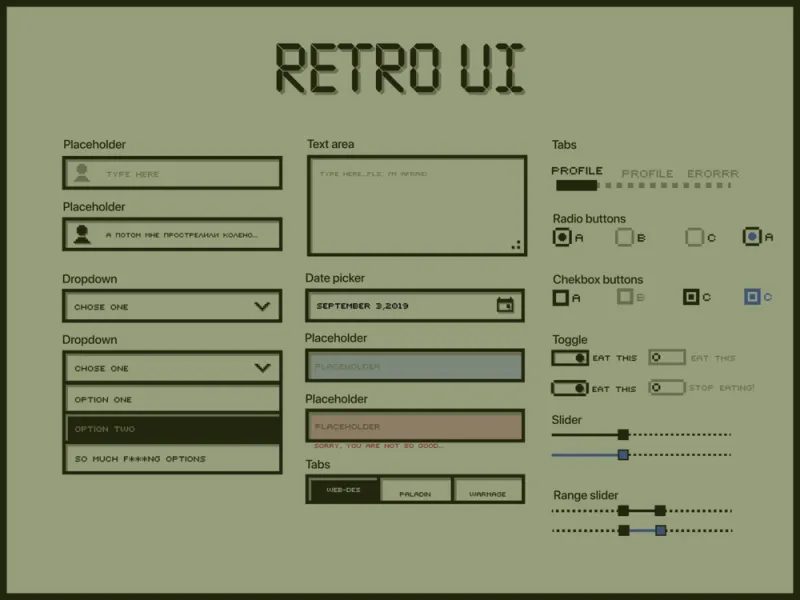
A quiet corner of web design has declared war on speed, smoothness, and spectacle—and it's winning. Designers and independent creators are building sites that load like it's 2002, strip out almost everything, and wear their limitations like a badge. This isn't a technical failure. It's a philosophy.
Somewhere between a corrupted JPEG and a TikTok comment section, a generation decided that technological accidents were trying to tell them something. Gen Z has quietly built an interpretive culture around glitched screenshots and visual artifacts—treating them less like bugs and more like messages. It's part pattern recognition, part ritual, and entirely fascinating.
When a social platform dies, it doesn't just take its servers offline — it erases entire communities, creative works, and shared memories. A dedicated crew of internet historians and obsessive archivists are fighting to keep those digital worlds from vanishing completely, one screenshot at a time.

For most people, a corrupted file or a screen full of garbled pixels is just an annoyance. But for a growing number of online communities, those malfunctions are something closer to messages — digital omens hiding in plain sight. We went deep into the forums and Discord servers where glitches aren't bugs to be fixed, but signals to be decoded.
Some of the internet's most unsettling horror stories don't scare you with monsters or gore — they scare you by making language itself feel wrong. A loose tradition of anonymous writers has been weaponizing glitched text, phonetic drift, and broken syntax for years, and the results are genuinely hard to shake. This is what happens when the medium becomes the monster.
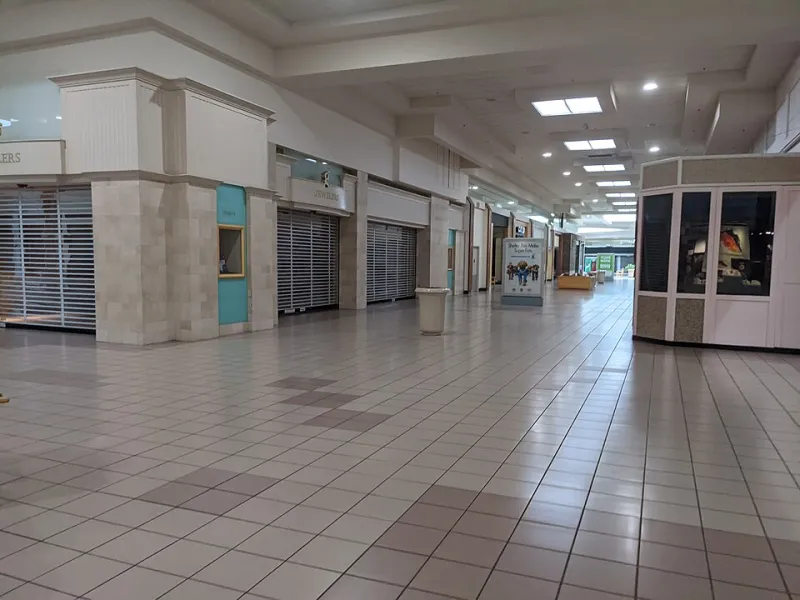
Somewhere between nostalgia and grief, a quiet corner of YouTube has turned abandoned shopping malls into eight-hour meditation sessions. Millions of viewers are tuning in not despite the emptiness, but because of it. We went looking for the signal inside all that silence.
Deep in Reddit's infrastructure, away from the front page chaos, there are communities that measure success in dozens of members rather than millions. These micro-subreddits have built entire cultures, languages, and rituals around staying invisible — and they prefer it that way.

Long after the mainstream moved on, certain pieces of internet folklore just kept breathing. Creepypastas, ARGs, and digital urban legends have built devoted underground followings that treat these myths not as old content but as living, evolving stories. This is how digital mythology actually works.

Before recommendation engines got smart, YouTube was a beautiful mess — and that mess quietly built the internet we live in today. We dug through the digital archaeology of channels, deleted archives, and dead-end rabbit holes that somehow shaped everything. What exactly did we lose when the algorithm got good at its job?